The brief
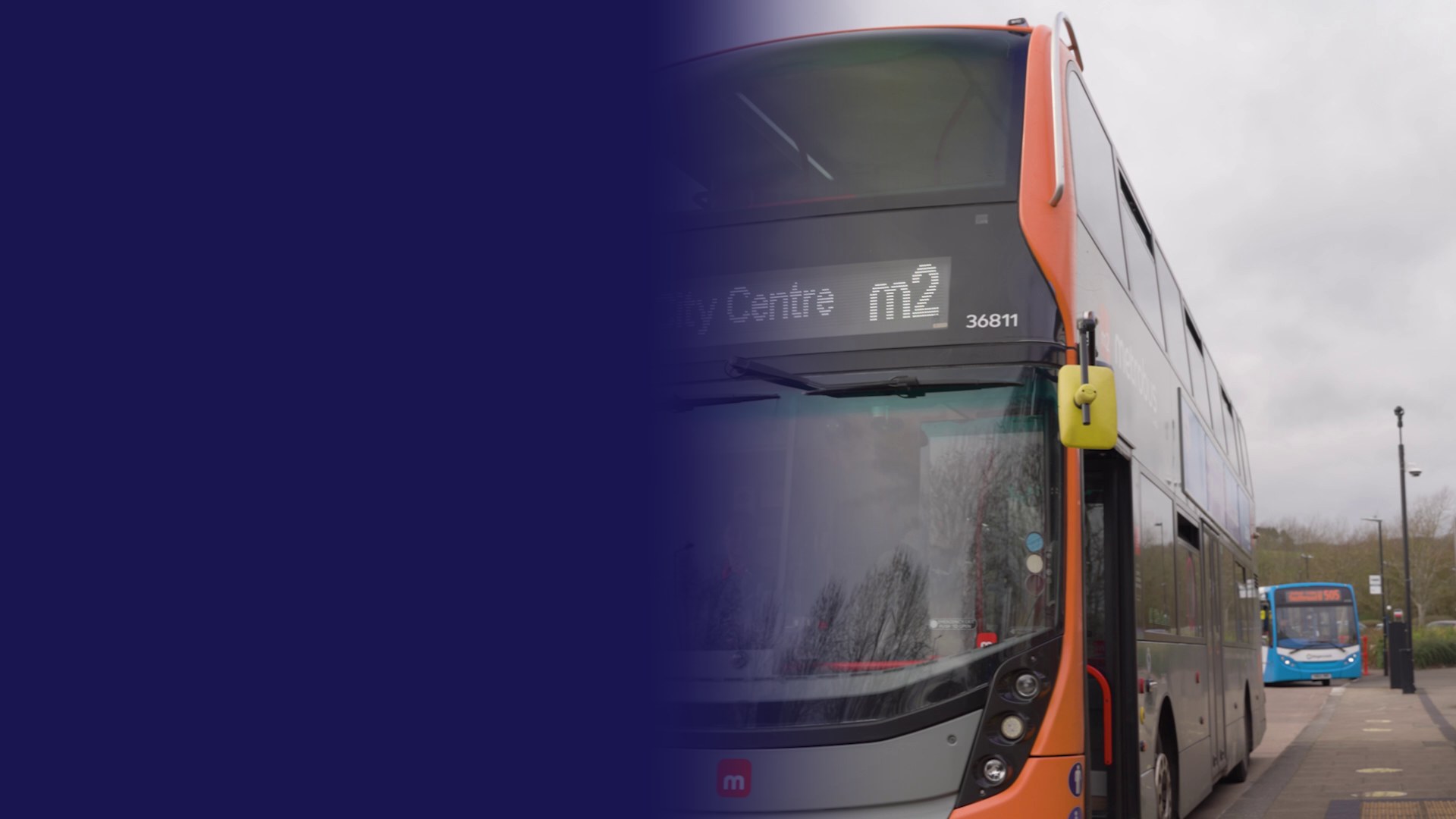
The m2 MetroBus runs from Long Ashton Park and Ride into Bristol city centre, funded jointly by the West of England Combined Authority and First Bus. The client described it as an underused service and set a clear objective, to grow passenger numbers so the route becomes commercially viable in the long term. The service needed a new way to win drivers over, so the strategy was three free travel days with no registration. Turn up, get on, travel free.
What we planned
A Park and Ride's audience is car drivers, so planning started from where they live and how they behave. The client had already mapped the catchment, from Congresbury and Nailsea to Long Ashton and Weston-super-Mare, and we translated that geography into postal sectors used across every channel, so the offer went only to the postal sectors the service could serve. Car drivers were the primary audience, with family, day-tripper, commuter, leisure and retail strands layered on top for the Easter period. Each channel then had one job. Radio built reach and frequency among drivers, supermarket digital out-of-home reached shoppers likely to have travelled there by car, display and Meta carried targeted awareness and detail, YouTube carried video and Google search caught people already looking for ways into Bristol. The messaging stayed consistent and simple. It was free to park, free to travel, a way to avoid the Clean Air Zone charge and good for family days out.
How it ran
Delivery was managed to the offer itself. Ad activity ran through to midday on 5 April so people still had time to use the free travel days before the campaign closed. Partway through the campaign, we moved budget from display into Meta, which was performing strongly, doubling down on the channel that was working. Radio and out-of-home delivered to plan throughout.
What the reporting showed
The reporting answered the question that mattered, whether the campaign had found the right people. Google search click-through showed people already looking for ways into Bristol were seeing a relevant answer. Meta's click-through rate was called very high against industry benchmarks in the post-campaign analysis, and digital audio held its listeners to the end.